


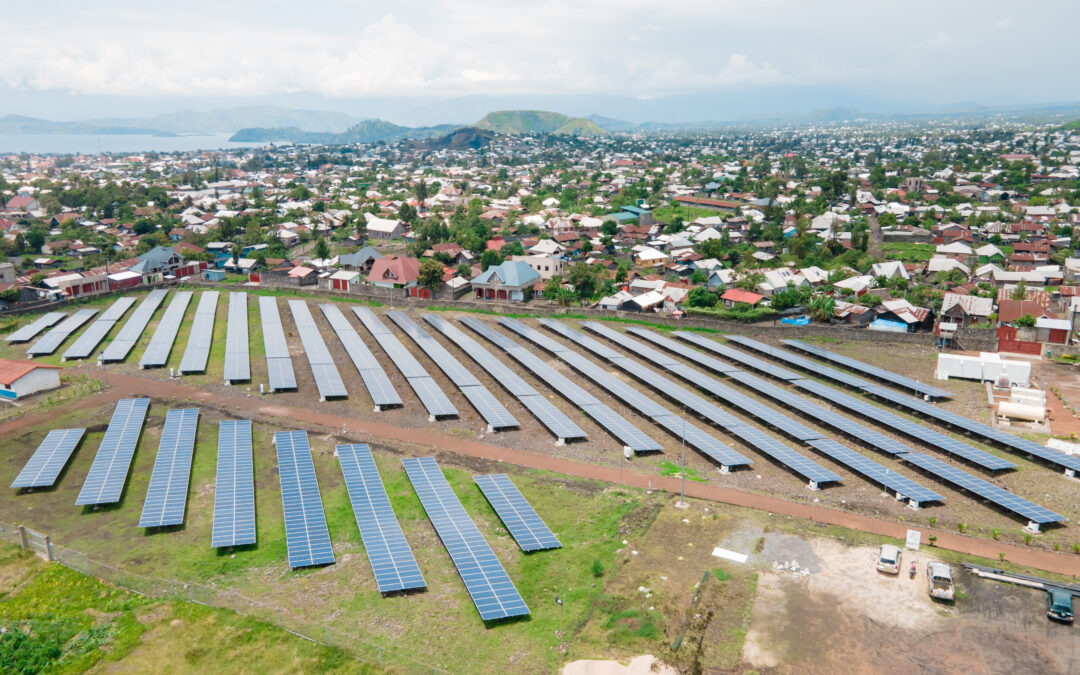
Today, the world marks the International Day of Clean Energy, a United Nations-designated day that calls for urgent action toward a just, inclusive, and sustainable energy transition. It’s a timely reminder that moving away from fossil fuels is not only critical to combating climate change and reducing pollution, but also essential to ensuring clean, reliable, and affordable energy for all.
Thank you for reading this post, don't forget to subscribe!Energy sits at the heart of a dual challenge: providing access for everyone while protecting our planet. Clean energy is the key to achieving both.
In honour of this day, AMDA spoke with Jonathan Shaw, the CEO of Nuru, a pioneering minigrid company expanding electricity access in the Democratic Republic of Congo. Our conversation explored how clean energy drives socio-economic development, empowers communities, and fosters environmental sustainability.
Read on for our full discussion with Jonathan.
AMDA: The International Day of Clean Energy is about a just and inclusive energy transition. From your perspective at Nuru, what does a just clean energy transition look like for African countries like the DRC?
Jonathan: The tension between the trifecta of affordable, renewable, and reliable electricity means that stakeholders driving towards the total electrification of Africa must grapple with the practical constraints that 100% available, 100% renewable energy is not, subject to a technological breakthrough, affordable for most unelectrified people. We must be realistic that someone must drive the affordability metric – this is the critical role of the global north. Affordable, reliable, renewable distributed energy will undergird the affordability of every good and service built on this infrastructure. Just, in this case, means that Africans enjoy the same types of subsidies that have catalyzed all last mile electrification everywhere in the world.
AMDA: Over 600 million people in Africa still lack access to electricity. Why do you believe decentralized renewable solutions like minigrids are critical to closing this gap faster than traditional grid expansion alone?
Jonathan: Speed and scale. While minigrids aren’t the sole solution to African electrification I can see no path to powering 600 million more people on the continent without minigrids as strategic pillar. Millions of people need more than a light and mobile phone charged – they need to build livelihoods. For many of these people a national grid will never come or come in many years. This is the exact niche minigrids can fill. No other solution can be built as quickly or at the same scale.
AMDA: Nuru operates in some of the most underserved communities in the DRC. How does access to reliable clean energy transform daily life in these communities, particularly in education, healthcare, and local businesses?
Jonathan: Our “secret mission” is not electrifying urban populations in the DRC – it is unlocking the incredible human potential of the people in these cities by providing the critical infrastructure they need to generate sustainable lives. We’ve been consistently blown away by how rapidly the communities we serve develop with no productive use or demand stimulation efforts from the company. Entrepreneurial, dynamic urban Congolese people have just needed power to catalyze their dreams and ideas. This has been true in every sector – education, healthcare, agro-processing, water access – the full scope of services that make urban life possible.
AMDA: Many rural and peri-urban households still rely on polluting fuels. How does clean electricity from minigrids help break the cycle of energy poverty and dependence on fossil fuels or biomass?
Jonathan: In conflict and post-conflict zones, like much of the DRC, bad actors are often key players in the fuel business. So not only do these fuels produce unreliable, expensive, polluting power subject to all kinds of supply chain risks, it also can directly fuel the bad actors who are driving conflict dynamics. Just as renewable electrification transforms all aspects of urban life, fuel-based power drags development in both visible and subtle ways.
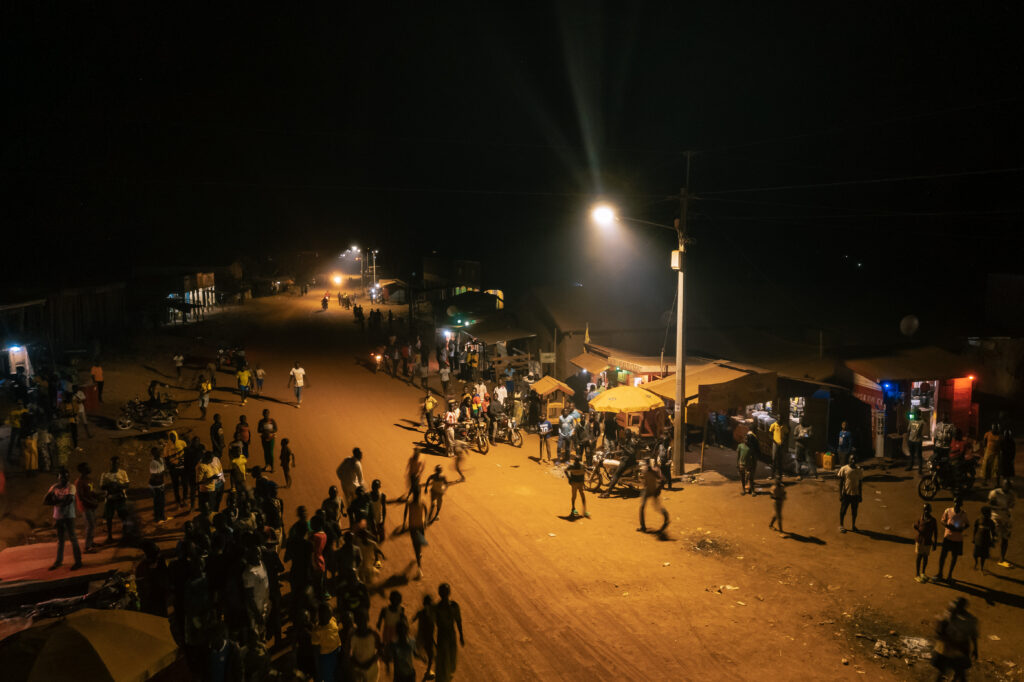
AMDA: Can you share a specific example or story that illustrates how clean energy access has unlocked new economic or social opportunities in one of Nuru’s project locations?
Jonathan: We have seen demand increases, on a per connection basis, of over 20% per year in the first years after our clients have power. This average speaks to the fact the virtually all of our clients are using this power to build livelihoods.
AMDA: Energy production remains a major contributor to global emissions. How do minigrids contribute to emissions reduction while still meeting Africa’s growing energy demand?
Jonathan: Africa presents an enormous opportunity to build energy production and renewable infrastructure from the ground up. As much of the rest of the world is struggling to transition its energy base towards more renewable sources the electrification crisis can also be seen as an opportunity to embed the foundations of African last mile electrification with green technologies.
AMDA: In fragile and climate-vulnerable contexts like the DRC, how important is clean energy in strengthening community resilience to climate shocks?
Jonathan: We see our solution as complementing the incredible resilience of the populations we serve by meeting their dynamism with energy technologies that reinforce their existing strength. Nuru clients have almost all endured tremendously challenging experiences, and the innate resilience of distributed renewable energy technology finds its perfect match in their own strength and ability to endure and flourish.
AMDA: Technological innovation is a key pillar of the clean energy transition. What innovations, whether in storage, system design, or digital tools, have been most critical to Nuru’s success?
Jonathan: While Nuru is committed to utilizing world class technology such as Tesla power packs and world class inverters and grid control systems, we actually feel that the greatest challenge to overcome is market friction. Electrification challenges are almost never isolated problems, as electrified zones typically also face weak or absent supporting infrastructure, such as roads and access to water. So, we really feel that overcoming these fundamental supply chain, regulatory, and security risks are the most fundamental intervention we can bring.
AMDA: How can innovation help minigrids scale faster while keeping energy affordable and reliable for low-income consumers?
Jonathan: We feel that the segment of the technical stack that is most ripe for innovation is with storage. A breakthrough in battery technology has been needed for some time, and we feel that this is the area that will drive the most powerful affordability and reliability gains in coming years.
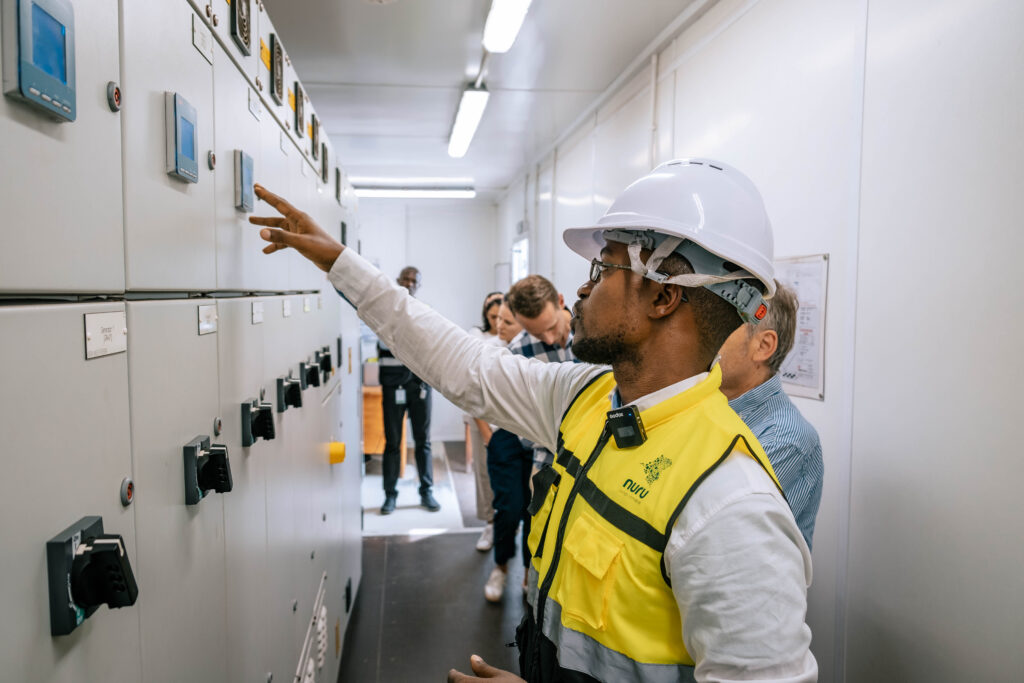
AMDA: What roles do data and smart systems play in improving energy efficiency and maximizing the impact of renewable energy investments?
Jonathan: For distributed renewable energy solutions like minigrids there is no effective way to manage the fleet of assets necessary to reach scale without smart technologies. We are strongly behind any attempts to bring efficiency and innovation to smart distributed renewable energy assets and client management.
AMDA: The world is currently off track to achieve SDG 7 by 2030. From your vantage point, what needs to change urgently to accelerate progress in Africa?
Jonathan: To me the biggest risk here is the gap between funding commitments and fundable projects. I would propose that 10% of the funding allocated for electrification in Africa be provided to developers who are the ones who will actually make viable, bankable projects ready for investment.
AMDA: What role should governments, donors, and the private sector play in supporting minigrid developers to deliver affordable, sustainable energy at scale?
Jonathan: In a sense, governments, donors, and the private sector constitute the entire constellation of actors who will make this electrification target possible or not. We must pursue solutions to renewable energy access that are both replicable and scalable, and this will only be achieved through meaningful collaboration and communication between all actors.
AMDA: Beyond generation, energy efficiency is increasingly recognized as essential. How does Nuru integrate efficiency on both the supply and demand sides into its projects?
Jonathan: While Nuru does not focus on efficiency questions, we recognize that they are essential for our clients in contributing to affordability on their end. We believe that the type of blue sky thinking that will allow for rapid scaling in the distributed renewable energy space fits very nicely with innovations on the efficiency side so that the production and distribution solutions we deploy meet efficient and effective off take.
AMDA: Why is improving energy efficiency especially important in contexts where energy demand is growing rapidly but resources are limited?
Jonathan: Many of our clients have very limited resources, so the value of each kWh is greatly influenced by how efficiently they use it. Any efforts to make energy consumption go farther in terms of conversion to value for our clients is something we deem critical in helping solve the electrification challenge before us.
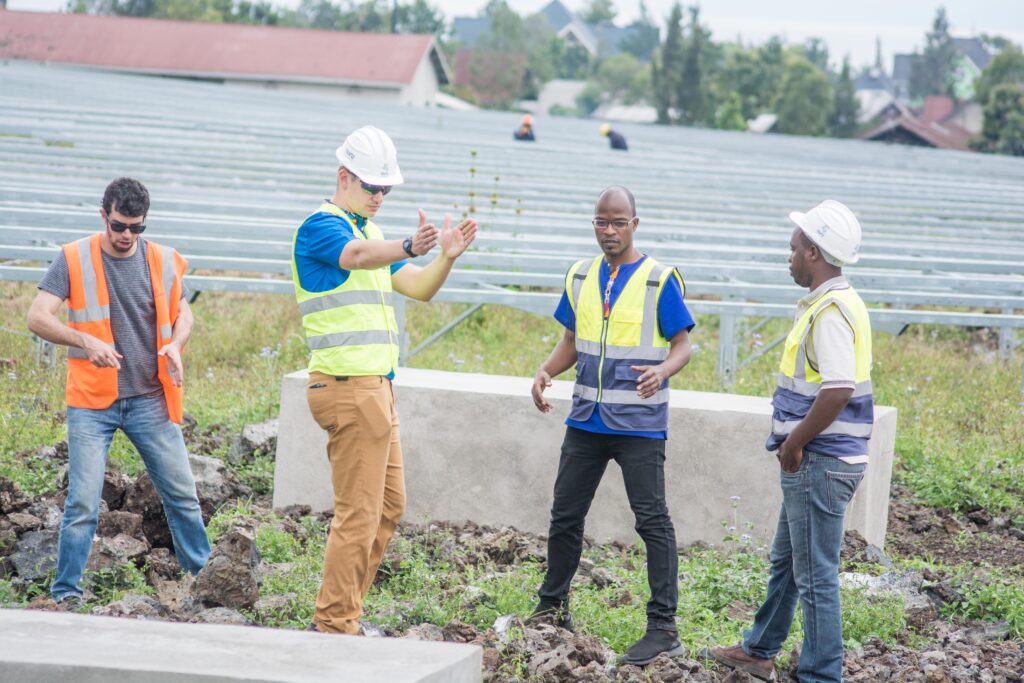
AMDA: On this International Day of Clean Energy, what message would you like to share with policymakers and development partners about the role of minigrids in Africa’s clean energy future?
Jonathan: There is so much hope and opportunity in this sector and the biggest challenges we face are not necessarily on the electrification side but rather on the coordination side. Governments, donors, and private sector actors like Nuru must engage and collaborate efficiently for this opportunity to be met. I’ve never been more hopeful about the future of electrification on the continent, but all those seeking to intervene in this space need a fundamental alignment for speed and scale to be achieved.
AMDA: Looking ahead to 2030, what gives you optimism that clean, affordable, and reliable energy for all Africans is still achievable?
Jonathan: In the end, what keeps me motivated at Nuru is the same thing that gets me excited about 2030, which is our clients. I never feel more satisfied or challenged to continue the work as when I meet the people who are building their lives on the infrastructure we have created. Their creativity, resilience, and passion for their future is what inspires me, and I hope they inspire all of us to dig deep and find solutions to the great opportunities and challenges before us.